Build Smoother Summer Sessions with Safer Cannagar Molds
A great summer smoke session should taste like your flower, not like plastic, metal, or old dish soap. When you press a cannagar or Thai stick and let it cure, the mold is in contact with your flower for a long time, so what that mold is made of really matters.
Material and cleanliness change everything. They affect flavor, burn speed, airflow, and even how smooth the hit feels on a hot day. If the mold is cheap, dirty, or coated in mystery stuff, it can throw off your terps and turn a chill session into a harsh one. In this guide, we are breaking down safer, food-grade materials, easy cleaning habits, and simple ways to avoid off-flavors that ruin blunts and cannagars.
What Makes a Safe Cannagar Mold Material?
When we say "food-grade," we mean materials safe for contact with things you eat or put in your mouth. For cannagar molds, that means the surface should not react with oil, leak chemicals, or soak up smells from your flower, wraps, or concentrates. Since your pack sits inside the mold during compression and curing, this contact is longer and closer than with most other tools.
Here is how common materials stack up in general terms:
- Food-grade silicone: Flexible, handles normal heat, easy to clean, usually flavor-neutral if it is quality
- Anodized aluminum: Hard, smooth, helps keep shape, resists corrosion when well made
- Stainless steel: Very durable, flavor-neutral, stands up to repeated cleaning
- Hardwood: Can look nice, but often porous, can trap oil and smells unless carefully sealed
- Mixed or unknown plastics: Risk of warping, melting, or leaching, can hold on to odors
There are some easy red flags to watch for when picking a mold or blunt tool:
- No mention of food-grade or any safety standard
- Soft coatings that chip, peel, or scratch off into your pack
- Strong factory smell that does not fade after washing
- Rough or porous surfaces that feel sticky even after cleaning
If the material is a mystery or looks cheap, that is a sign your flavor and safety might not be the priority.
Food-Grade Options for Cleaner, Tastier Cannagars
Food-safe molds are worth it if you care about flavor and slow, even burns. High-quality silicone and well-made metals are some of the best options for a cannagar mold because they are smooth, consistent, and easier to clean without scratching.
In general, a good mold should:
- Hold a tight, even compression
- Release the packed core without forcing or twisting
- Clean up quickly with mild soap and water
- Not leave any smell or color on your flower or wrap
When a mold is designed for cannagars, it helps your pack cure more evenly. That helps terpenes stay bright and keeps the structure strong so you get those long, slow-burning sessions you built it for. A random DIY setup might pack unevenly, press too hard on one side, or trap moisture, which leads to canoeing, harsh hits, or clogged airflow.
For blunt rollers, material choice matters too. Food-grade tools help:
- Keep wraps from soaking up weird plastic or metal odors
- Pack blunts evenly so they do not run on one side
- Handle summer heat without warping or bending
When temps climb, softer plastics can bend and hold onto sticky resin, which makes each new blunt pick up more old taste. Food-grade materials stand up better to that heavy warm-weather use.
Cleaning Protocols That Protect Flavor and Health
Even the best mold will taste bad if it is dirty. Resin, oil, and old plant bits cling to surfaces and slowly build layers. Over time, that sticky film burns into bitter flavors that cover your strain.
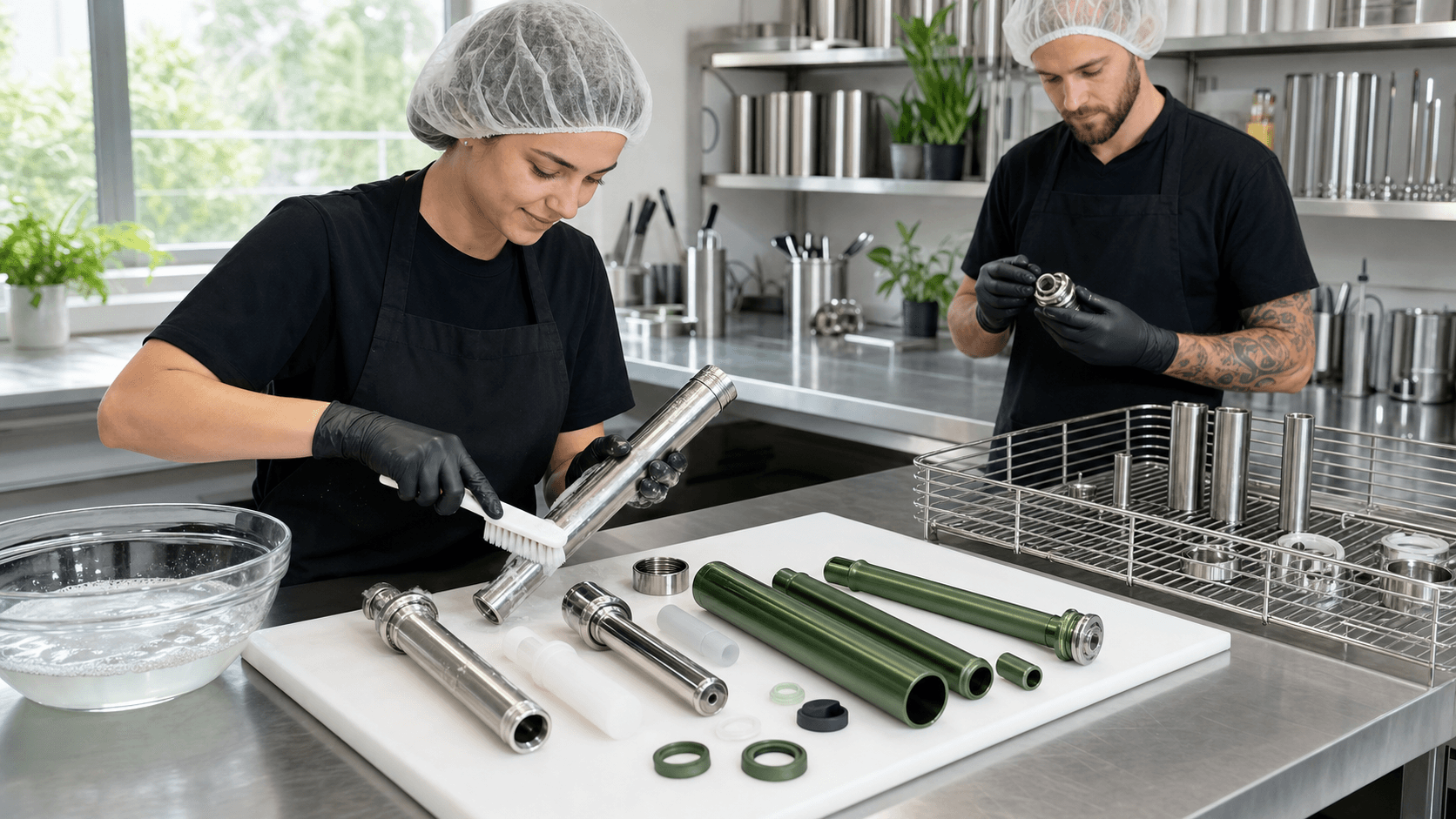
Here is a simple, repeatable cleaning routine:
- After each use, take the mold apart
- Wipe out extra plant bits and resin with a soft cloth or paper towel
- Wash parts with warm water and mild, fragrance-free soap
- Rinse very well so no soap is left
- Dry fully before reassembling or storing
For deeper cleaning during heavy summer sessions, you can add a few steps, as long as they are safe for your specific material:
- Use alcohol wipes or a short isopropyl soak on metal parts if allowed
- Use a soft brush to get into grooves and edges
- Avoid rough pads that scratch and create tiny spots where gunk can hide
What not to do is just as important:
- No harsh chemical cleaners or bleach
- No strong scented dish soaps that leave perfume behind
- No metal scouring pads that scrape surfaces
- No soaking wood or non-sealed parts that can swell, crack, or warp
If you clean with something you would not want to taste, there is a good chance you will end up tasting it anyway.
Preventing Off-Flavors in Cannagars and Blunts
Off-flavors usually come from three main things: dirty gear, low-quality materials, and trapped moisture. When resin and old oil sit inside your mold, they turn stale. That stale layer can give new packs a bitter, burnt, or plasticky note that covers the natural terpenes in your flower.
To protect flavor:
- Always pack into a clean, dry mold
- Let your cannagars cure fully in that clean space so moisture can even out
- Store molds in an area without strong kitchen or household smells
Strong smells from cleaners, food, or smoke can soak into some materials and show up later in your session. Keeping your molds in an odor-free spot helps what you taste stay true to the strain.
Blunt rollers have a few extra things to watch out for, especially in humid summer weather:
- Avoid soaking wraps until they are soggy, a light lick is usually enough
- Do not overpack to the point the wrap cannot breathe
- Give blunts a moment to dry and set before you spark them
- Try not to trap moisture in the ends, leave a bit of airflow
Too much moisture mixed with heavy packing can cause hot, harsh hits, runs, or constant relights.
Smart DIY Choices for Better Summer Smoke Sessions
If you already roll cannagars or blunts, it is worth taking a hard look at the tools you are using now. Check your current cannagar mold, press, and packing gear for:
- Chipped or peeling coating
- Warped or bent sections that no longer line up
- Lingering smells, even after a good wash
- Dark stains that will not come off
If any of that sounds familiar, it might be time to level up to purpose-built, food-grade cannagar mold kits that are made for repeated use and easy cleaning. Quality tools help you get consistent compression, smoother airflow, and those long, even burns we all chase when the weather is nice and friends are over.
From our side at Purple Rose Supply, we design molds and tools to help you turn regular flower into slow-burning cannagars and Thai stick-style cigars at home, without weird extras in the taste. The simple plan looks like this: choose safe materials, stick to a cleaning routine, prep your gear for heavy summer use, and keep experimenting with different flower and wrap combos. When your mold is clean and built from the right stuff, you can really taste the difference in every session.
Transform Your Sessions With a Custom Cannagar Experience
Ready to roll smoother, slower-burning sessions every time you light up? Learn exactly how to use a cannagar mold and start crafting long-lasting, premium cannagars with Purple Rose Supply. If you have questions or need help choosing the right kit, contact us and we will guide you. Let's elevate the way you enjoy your flower, one perfectly packed cannagar at a time.