Stop Wasting Flower: What Really Makes Cannagars Smoke Better
Good flower should not be going up in lopsided flames. If your home-rolled cannagars and blunts keep canoeing, going out, or hitting way too harshly, it is not just annoying; it is painful on your stash, especially when you are passing it around at fall parties or Halloween hangs. You load it up with top-shelf, everyone gets hyped, then the cherry runs down one side and half of it ends up in the ashtray.
The big twist here is that the secret is not only the strain or the wrap. The real magic comes from how your cannagar is packed, cured, and rolled. That is where a good blunt roller machine or cannagar mold can actually help you get repeatable, reliable results instead of guessing every time.
We want to cut through the hype and talk about what actually changes burn rate, draw, and flavor in cannagars, sometimes called Thai sticks. We will also share simple tests you can run at home so you and your friends can see the difference for yourselves.
Blunt Roller Machine Myths That Will Not Die
Let us start by killing a few myths we all hear all the time about any blunt roller machine.
Myth 1: Any blunt roller machine guarantees slow, perfect burns
Reality: Shape helps, but it is not magic. Burn rate is mostly about:
- Pack density
- Moisture level in the flower
- Airflow channels inside the core
If you pack too loose, the cannagar burns fast, flakes, and canoes. If you pack way too tight, the cherry struggles to breathe and keeps going out. The tool you use can support you, but it cannot fix a bad pack.
Myth 2: Machines kill flavor and make hits harsher
Reality: The harshness usually comes from:
- Overpacking to the point of no airflow
- Skipping or rushing cure time
- Using low-quality or super wet wraps
A quality mold or cannagar press can help apply even pressure from top to bottom without crushing all the trichomes. When the burn is even, and cooler, terpenes have a chance to shine instead of getting torched in hot spots.
Myth 3: Hand-rolling Thai sticks is always better than using a tool
Reality: A skilled hand-roll can smoke beautifully, no doubt. The thing is, it takes time and a lot of practice to hit that level every single roll. A tool cuts the learning curve way down so you can repeat your best cannagars for bonfires, tailgates, and holiday sessions, not just one lucky roll.
What Actually Controls Burn Rate in Cannagars
If you want a slow-burning cannagar, you need to get a few basics under control.
Pack Density and Pressure
Dense packs usually burn slower, which is what we all want with a fat cannagar. But they only work if there is a clear airflow path. Too dense and the cherry chokes out. Too loose and you get a fast, uneven burn with weird hot spots.
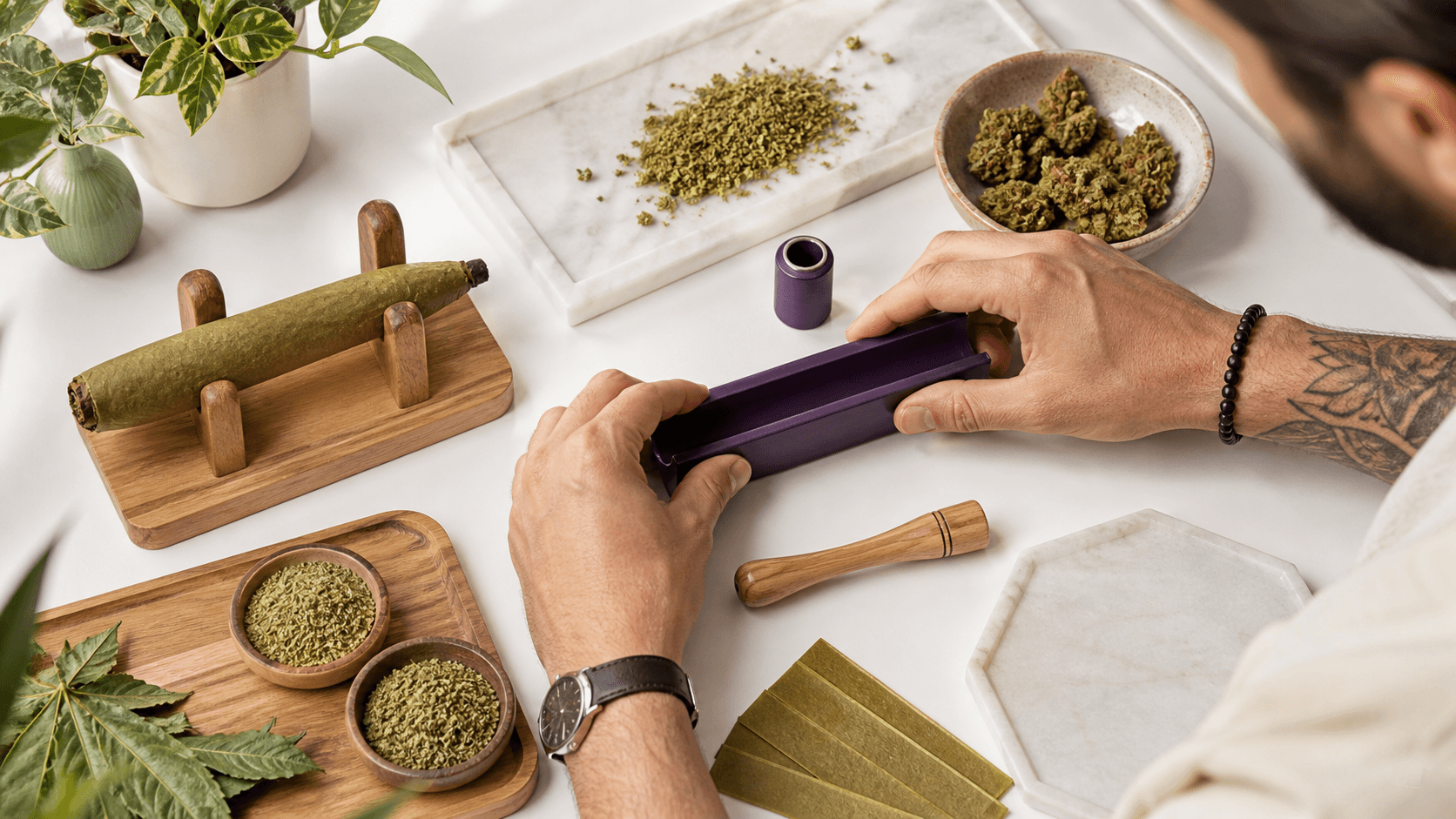
A cannagar mold or blunt roller machine helps apply steady pressure along the full length of the core so you do not have random soft spots. Consistency is what lets the fire crawl evenly instead of racing up one side.
Moisture and Curing Time
Flower moisture matters a lot:
- Too wet and you get sizzle, runs, and constant relights
- Too dry and it burns hot, fast, and harsh
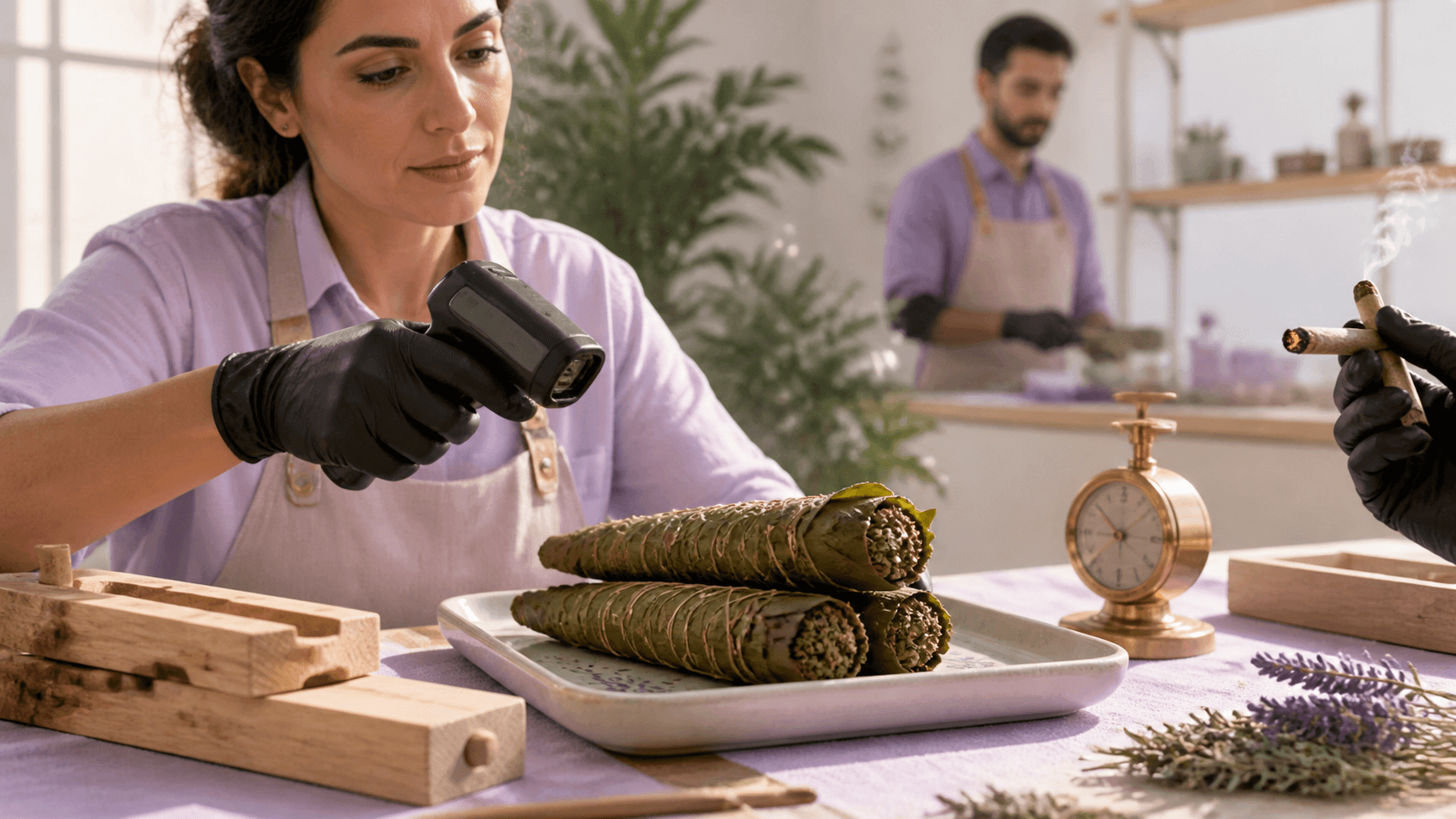
Packing your flower, then letting it cure in the mold for around a day or two helps the moisture even out. That cure step is one of the biggest cheat codes for smoother, longer burns.
When the weather cools off and fall humidity changes, the same flower that worked in summer might act different by October. If your cannagars start burning weird, adjust dry time a bit or add a little extra cure time in the mold.
Wrap Thickness and Material
Wrap choice changes burn speed and taste. In general:
- Thicker wraps slow the burn but can mute flavor
- Thin wraps burn faster but can feel light or fragile
- Some leaves like palm or rose bring their own taste profile
Having a smooth, cylindrical shape from a mold means your wrap sits evenly, which helps the wrap burn at the same pace all around the cannagar instead of creating hot edges or gaps.
How Airflow and Construction Change Draw and Smoothness
Draw is where a lot of cannagars fail. If you cannot pull, you cannot enjoy it.
The Airflow "Highway" Inside Your Cannagar
That skewer channel in the center is your smoke highway. It needs to be:
- Straight
- Open
- Not crushed or twisted
If the tunnel is too narrow or gets squeezed, hits feel tight and harsh because you are fighting for every pull. A solid mold helps keep that center channel straight and open while the pack sets, instead of letting it collapse in the middle.
Seams, Wrinkles, and Gaps
The outside matters too. Loose seams and tiny gaps act like air leaks. The burn will chase those leaks and you end up with canoes and weird angles of ash.
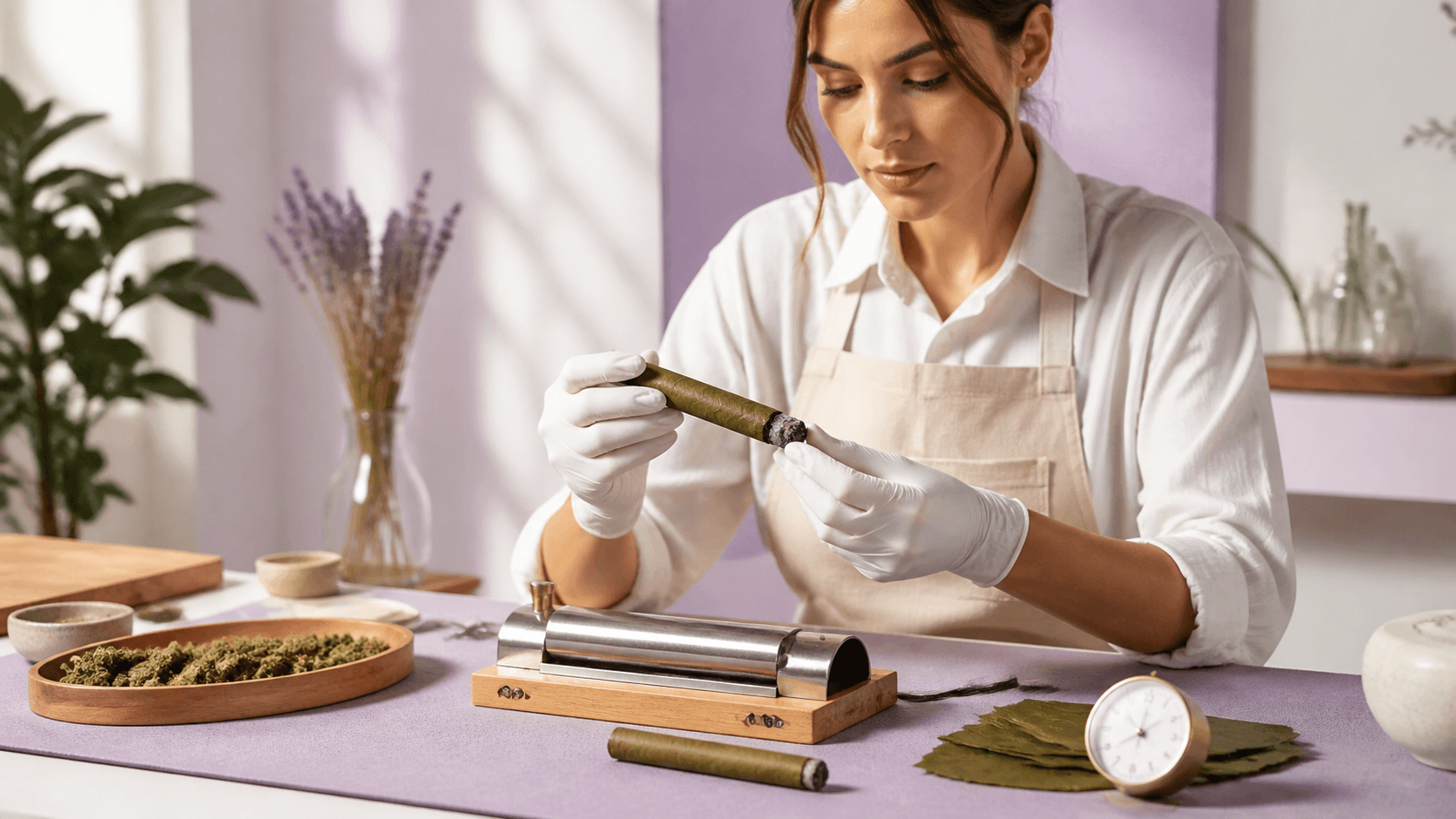
A blunt roller machine or mold core gives you something smooth and firm to wrap around. That makes it easier to lay your wraps with light, even tension and clean overlaps instead of bunched, folded corners that burn crooked.
Heat Management and Ash Structure
Good airflow keeps the cherry cooler and steadier. That usually leads to:
- Lighter, more even ash
- Less scooping and tapping
- Smoke that feels smoother on the throat
Cooler, even heat lets terpenes vaporize instead of getting scorched. That is where the flavor really lives.
Flavor, Terpenes, and the Truth About "Machine Taste"
A lot of people blame tools for "machine taste," but that is not what is really happening.
Where Flavor Really Comes From
Flavor is mostly about temperature and airflow. If your cannagar is packed or wrapped in a way that creates hot spots, those spots burn terpenes off too fast and leave you with harsh, empty smoke.
Curing in a mold helps even out moisture, which also tones down that sharp green taste from fresh chlorophyll. The result is a smoother, fuller flavor all the way through the session.
Wrap Choice and Infusion
Each wrap has its own personality:
- Hemp wraps tend to stay more neutral
- Tobacco leaf hits stronger and can add depth
- Palm, rose, and other leaves bring their own twist
If you add concentrates or flavored tips, even packing keeps the extra oil from pooling in one spot and turning into a burnt, resin-heavy section.
Seasonal Use: Fall Strains and Cozy Sessions
Fall is when dessert, spice, and heavy kush strains really shine during long, slow sessions. When your cannagar burns cool and steady, you can actually taste those notes from spark to roach instead of blasting through everything in the first few hits. Tools that keep pack density and airflow consistent help those cozy-night flavors stay with you longer.
Simple Home Tests to Prove What Matters
You do not have to take our word for it. You can test all of this with your own setup.
Burn Rate Test: Side-By-Side Cannagars
- Use the same flower and wrap
- Roll one cannagar loosely by hand
- Pack one tightly and evenly with a mold or blunt roller machine
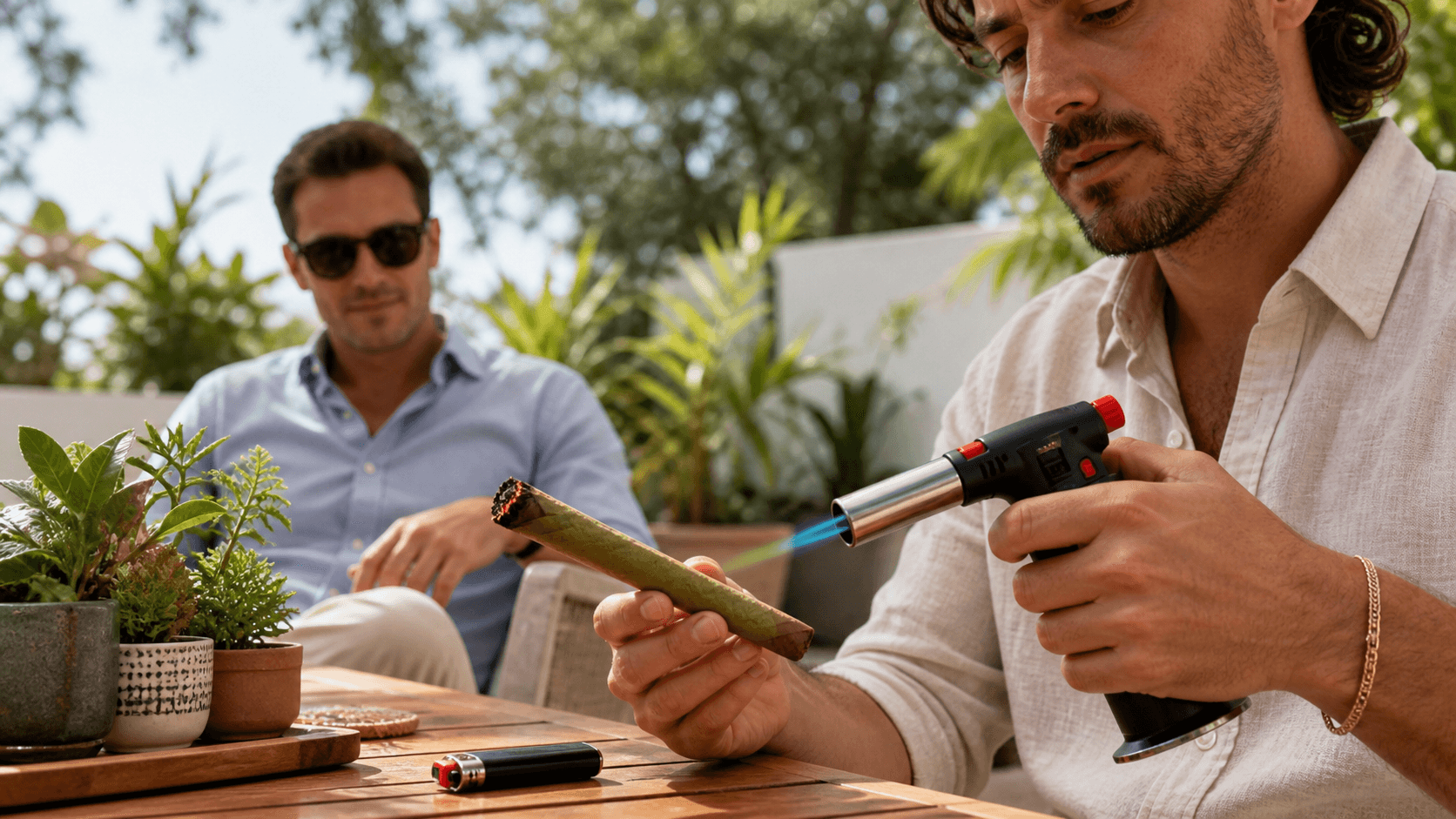
- Light both and time how long they last, plus watch for canoeing or relights
Draw and Airflow Test
Before lighting, pass both around for "cold pulls" and ask everyone:
- Which one feels tighter?
- Which one has better pre-light flavor?
After lighting, notice how many pulls it takes to get a comfortable cloud from each one and whether anyone struggles with resistance.
Flavor and Smoothness Test
Build three versions with the same strain:
- A regular hand-rolled blunt
- A cannagar packed in a mold
- A very loose, quick wrap
Have everyone rate:
- Harshness on the throat
- Flavor clarity
- Aftertaste
You will probably see that construction, not just the tool, decides which one holds flavor all the way through.
When you treat your next fall smoke session like a fun little experiment, you start to see what really changes burn rate, draw, and flavor in your cannagars. Tools like molds and blunt roller machines do not magically fix bad habits, but they do give you steady control over pack density, airflow, and shape, which is where the real difference lives.
Upgrade Your Sessions With a Smoother, Slower Burn
If you are ready to take your smoking rituals to the next level, our blunt roller machine makes it easy to roll dense, even cannagars that burn longer and smoother. At Purple Rose Supply, we design our tools so you can customize your experience without needing expert rolling skills. Explore the options that fit your style, then contact us if you have any questions about choosing the right mold or accessories.