Mastering Windproof Sessions Wherever You Spark
Outdoor sessions are great until the wind shows up and ruins your hard work. You get your cannagar or blunt ready, everyone is waiting, and then your lighter keeps blowing out or the tip starts burning on one side. That slow, relaxing smoke you planned turns into a fight with the flame.
When you are working with a dense cannagar or a tight blunt roll, how you light it matters even more. A clean, even light is what unlocks that long, smooth burn and keeps the flavor tasting right, especially outside at a tailgate, on a rooftop, or by a beach bonfire. In this guide, we will walk through how to use a torch or lighter in the wind, how to light and relight without burning the wrap, and how to control ash and embers so your outdoor session stays calm and safe.
Torch vs. Lighter Outdoors
Both torches and regular lighters can get the job done, but they work very differently, especially when the wind kicks up.
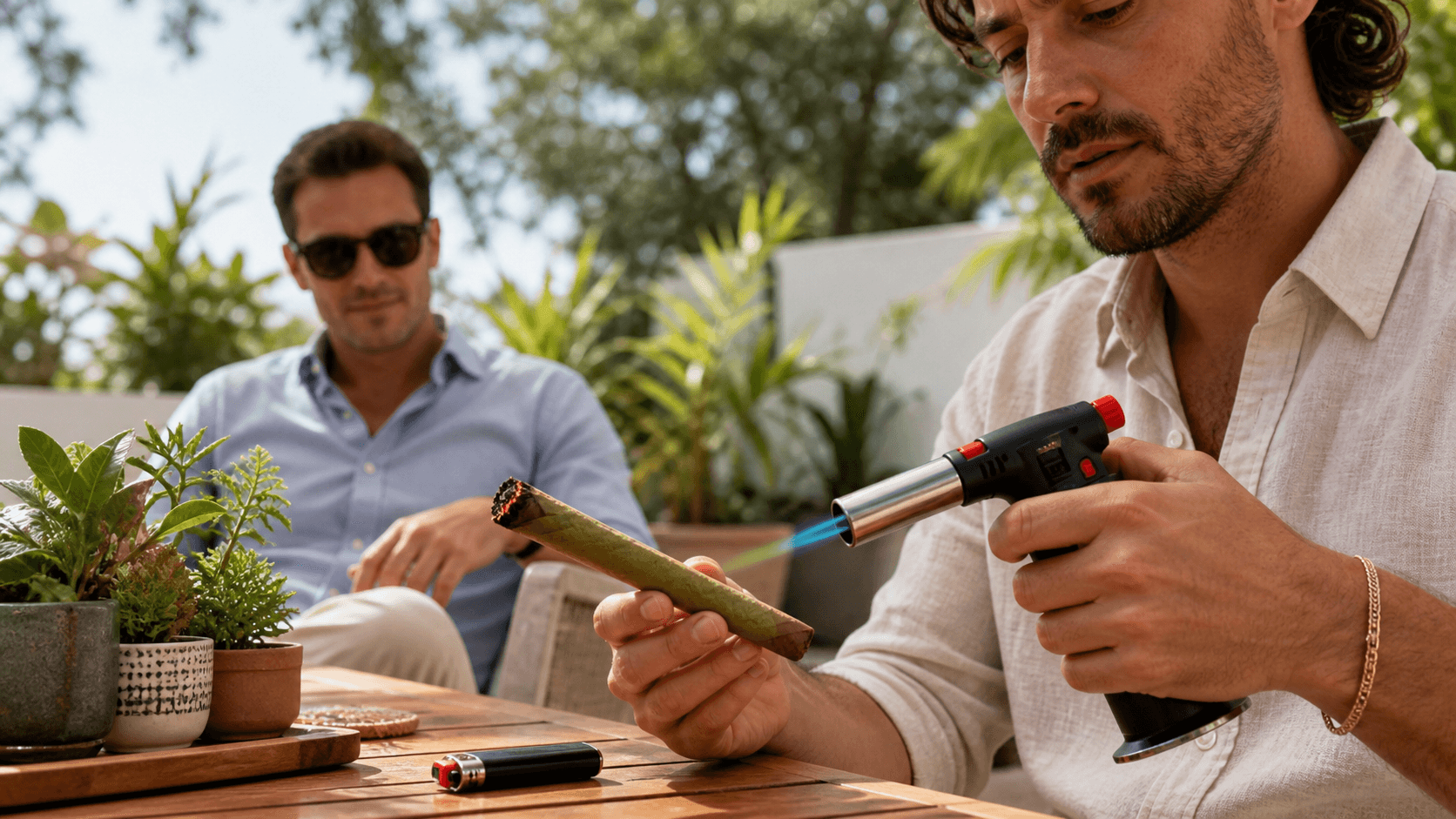
Torches put out a strong, focused jet flame. That hotter, tighter flame is great for thick cannagars, because it can heat up the dense tip and get the core going even when a breeze is trying to blow things out. The flip side is that it is easy to park the torch too close and scorch the outer wrap or roast the first inch of your cannagar.
Soft-flame lighters, like regular butane lighters, have a smaller, gentler flame. They are perfect for thinner blunt wraps and for small touch-ups when your cherry is just starting to fade. They do not punch through wind as well as a torch, but with a little shielding and steady rotation, they can still work outside.
Here is a quick way to think about it:
- Use a torch for: dense cannagars, first light in breezy weather, and fixing big runs
- Use a lighter for: thinner blunts, mid-session flavor touch-ups, and small relights
- Keep both handy so you can switch tools as the wind and burn change
On cooler, breezy fall evenings, a torch is often the best starter. You can use it to pre-toast a thick cannagar tip, then swap to a lighter or a low torch setting once the cherry is set. That way you protect the terps, keep flavor cleaner, and avoid turning the tip into a little charcoal log.
Lighting Cannagars and Blunts in Windy Weather
A good outdoor session starts with the first light. When that is solid, you get fewer runs, fewer relights, and a more even smoke.
For cannagars, try this simple windproof lighting routine:
- Make sure the outside of the cannagar is dry, not damp from humidity or damp pockets
- Use a torch on a lower setting if you can
- Hold the flame just below the tip, not touching it, while slowly rotating
- Gently toast the whole edge until you see an even ring of darkened material
- Take light puffs to pull the heat into the core without over-charring the wrap
With blunts rolled in a blunt roller, your goal is a flat, even cherry that stretches across the full diameter. Hold the lighter slightly under the edge, keep the flame just off the wrap, and rotate as you puff. Watch for one side turning white faster than the other; that is a sign of a lopsided burn that can turn into canoeing when the wind hits from the side.
To help control the wind, you can:
- Use your body, hands, or a friend as a shield
- Duck behind a car door, tent wall, or bigger person in the group
- Keep the cannagar or blunt slightly angled down so heat rises evenly along the tip, not up one side
Little things like turning your back to the breeze or lighting closer to the ground can make a big difference on a gusty beach or hillside.
Smart Relighting Without Ruining Flavor
Outdoor sessions move around a lot. People pass the cannagar, someone starts a game, you set it down for a second and the cherry goes out. Relighting is totally fine if you do it with a bit of care.
Good times to relight are:
- The cherry is fully out
- Smoke gets thin and harsh
- One side is clearly dying while the other is still burning
For cannagars, start by gently tapping or rolling the tip over an ashtray or safe spot to knock off loose ash. You want to expose the ember or the packed flower underneath. Then:
- Hold a torch or lighter just below the tip, not directly on it
- Slowly rotate while toasting the edge until it glows again
- Take short primer puffs instead of big pulls so you do not tunnel the center
Give the tip a few seconds between flame contact and deeper inhales. This cools the outer layer a bit and keeps the flavor more natural, not burnt. For minor fixes on blunts, a soft-flame lighter is usually enough. Just kiss the cooler side of the cherry with the flame for a second or two, rotate, and use a couple of short puffs to even it out.
To protect both flavor and airflow:
- Avoid holding the flame on the wrap for more than a couple of seconds
- Keep your pulls light while the cherry is re-forming
- If it tastes super harsh, let it cool for a moment, then try again
Ash Management and Ember Control on the Go
Good ash control is a big part of clean outdoor sessions. With a well-packed cannagar, the ash can build into a long, solid column. That can look great, but once you are on the move, it can also wobble, crack, and drop hot bits where you do not want them.
Aim to:
- Let a natural ash column build for stability
- Tap or roll it off gently before it reaches about an inch or starts to wobble
- Be extra careful when walking, hiking, or standing around a fire pit
Always keep the lit tip pointed over a safe area, like dirt, sand, an ashtray, or the inside of a metal tin. Avoid flicking ash or embers toward dry leaves, grass, or wooden decks, especially in fall when everything is crisp and ready to catch.
If your cannagar or blunt starts to run or canoe, you can usually fix it:
- Use a lighter or low torch to warm only the slower-burning side
- Rotate so that slow side is on top; heat rises and helps it catch up
- Take a few short, steady pulls to even the burn
If the wrap gets damaged on one side, a tiny strip of extra wrap or a thin line of concentrate can work like a bandage. Place it over the problem spot, seal it, then re-toast lightly so the burn path smooths out.
Locking in Smoother Outdoor Sessions Every Time
Wind, cold air, and moving around outside all make your cannagar or blunt work harder. When you choose the right tool for the conditions, rotate while you light, and stay on top of ash and embers, your session feels way calmer and smoother. You get the slow burn you built it for, instead of fighting with your flame every few minutes.
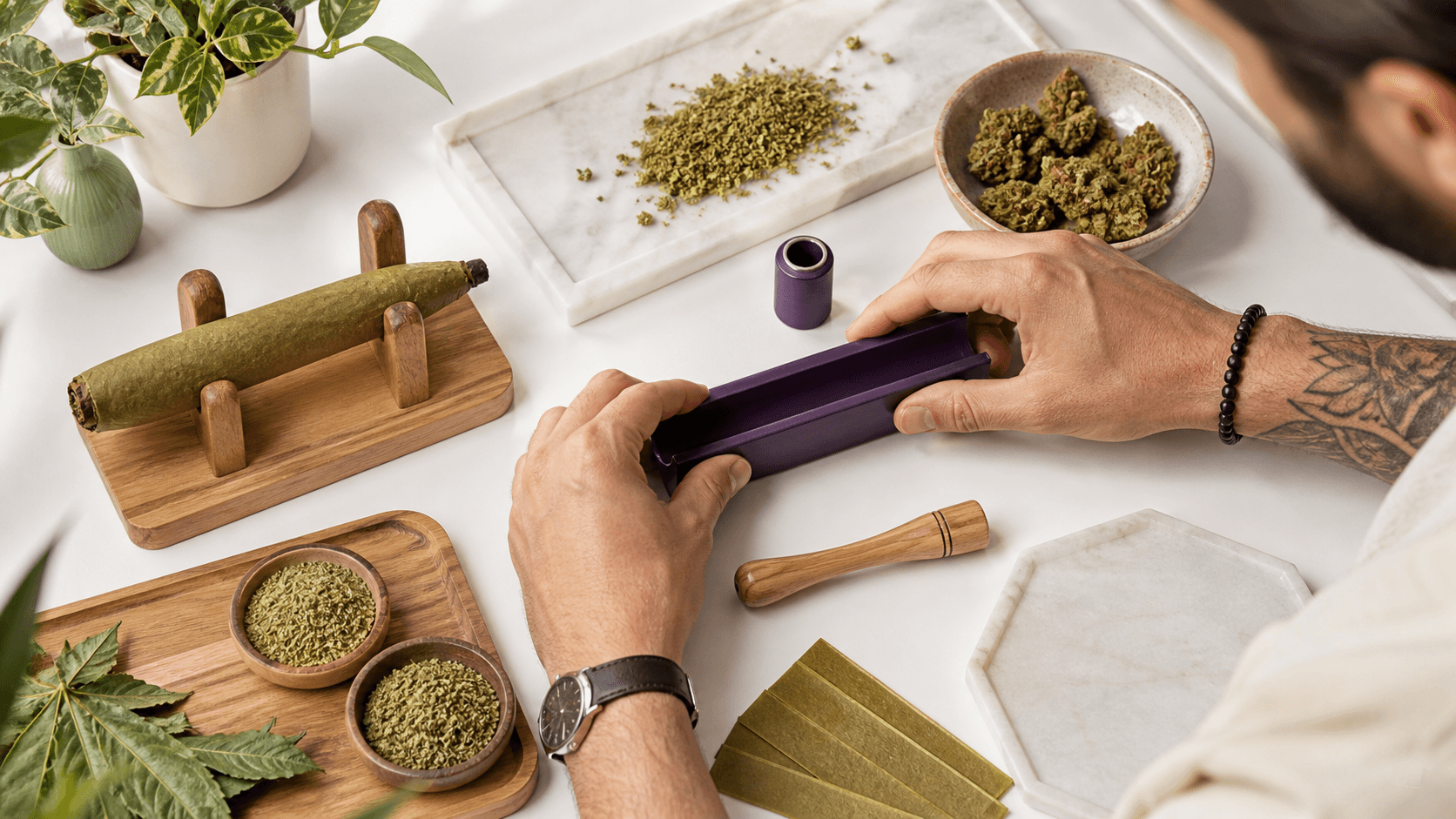
Consistent, tightly packed cannagars and blunts, like the ones you can make with quality molds and blunt rollers, are much easier to light evenly and keep lit in tricky weather. When the pack is uniform and airflow is dialed in, a quick toast with a torch, a few light puffs, and a little wind shielding is usually all you need for a clean, steady burn, from first spark by the fire to the last pass around the circle.
Level Up Your Sessions With a Hassle-Free Cannagar Experience
If you are ready to upgrade your smoke sessions, we make it simple to roll a perfectly packed Cannagar every time. At Purple Rose Supply, our molds and tools are designed so you can enjoy slow-burning, flavor-packed results without the guesswork. Explore our collection to find the right setup for your ritual, and contact us if you have any questions before getting started.