Stop Ruining Cannagars Before You Even Spark
A blunt that burns weird is annoying. A cannagar that burns weird feels personal. You spent time grinding, packing, and wrapping, then it canoes down one side or dies out after two hits. That hurts, especially when everyone is ready for a long summer session.
Cannagars, also called Thai sticks, are not just big blunts. They are dense cannabis cigars that burn slow when they are built right. That means they need more care than a quick blunt from a blunt roller. Treating them like a regular roll is where most people go wrong.
We see the same problems again and again: bad packing, no airflow, skipping curing, sloppy wraps, and poor storage in hot weather. The good news is that these are fixable with the right tools and a little patience. Let us walk through the biggest blunt roller mistakes that ruin cannagars before you even light up, and how to do it better at home.
Packing Your Cannagar Core All Wrong
The core is the heart of your cannagar. If you mess this up, nothing else can save it. A lot of people think tighter is always better, but that is not true here.
When you overpack, you crush the airflow. Your cannagar will feel like trying to drink a milkshake through a coffee stirrer. Underpack it and you get hot spots and loose pockets, so one side catches faster than the other and your burn goes sideways.
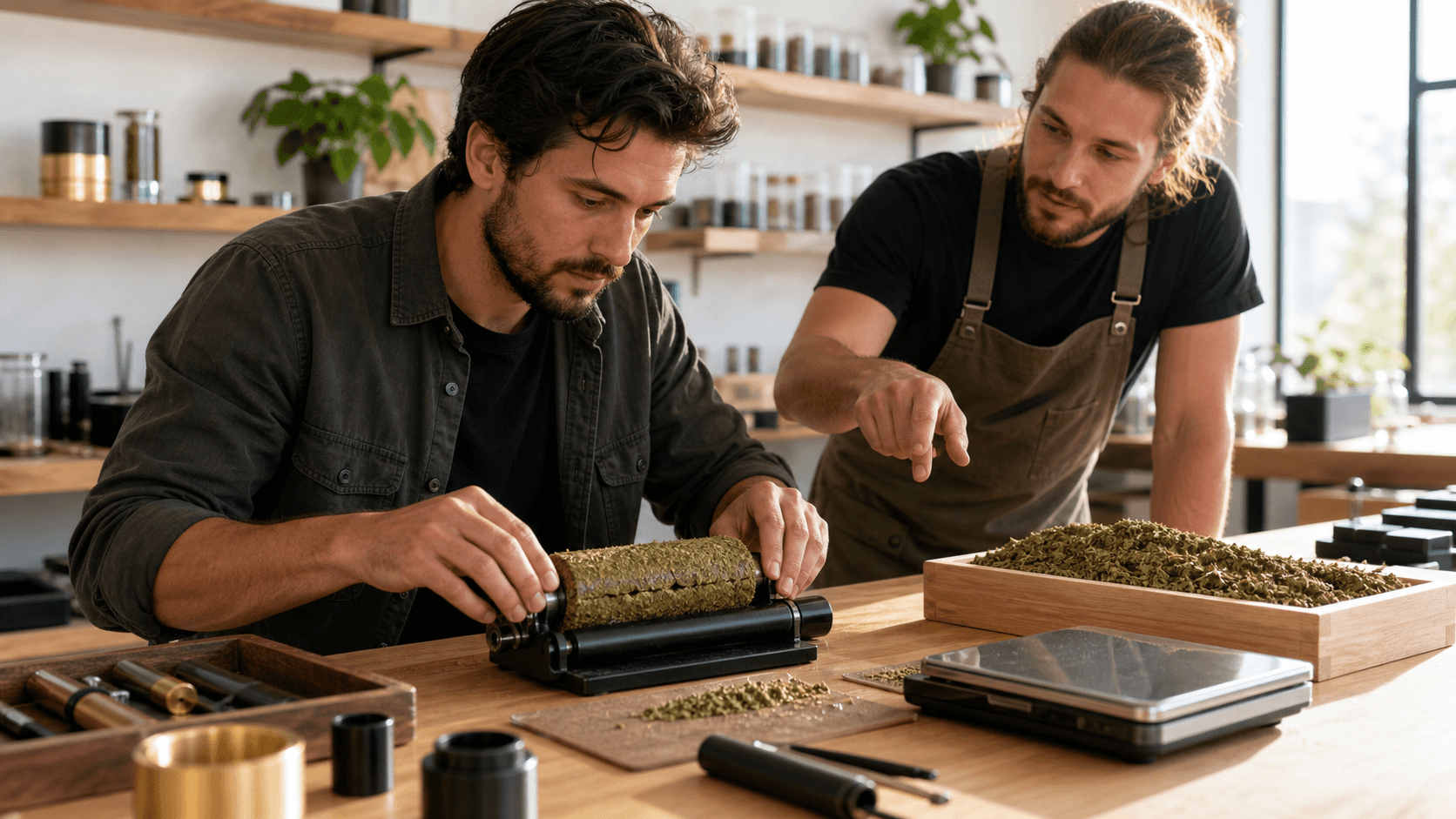
A mold and proper tamping tool help you avoid both problems by keeping your pressure steady. Instead of packing everything in one go, try:
- Pack in small layers
- Tamp gently, not full force
- Check that the surface stays even as you go
Structure matters too. A straight, centered skewer is not optional; it is the backbone of your cannagar. If it leans or curves, you are almost begging for tunneling, canoeing, or full-on collapse when you pass it around outside in the summer heat.
Another big mistake is rushing the time in the mold. Pulling the packed core out too early means it has not had time to set. It will be soft, fragile, and more likely to crack during wrapping. Giving the core a longer press helps it settle into a smoother, solid log that burns slower and more evenly.
Treating Cannagars Like Regular Blunts
A basic blunt roller is great for a quick session. It is built for flat wraps and light packs. But when you try to shove a thick, 360-degree packed core into it, things go wrong fast.
A standard blunt roller tends to:
- Squeeze the core into weird shapes
- Flatten one side more than the other
- Stress the wrap so it cracks or tears
Cannagars need a different approach. They are meant to be packed first, cured, then wrapped, not rolled start to finish in one pass.
Curing is another step people skip because they are used to regular blunts. With a blunt, you roll and smoke. With a cannagar, the core needs time to rest. This curing phase lets the resins settle, the pack tighten, and the moisture even out inside the log. The payoff is a smoother hit and a much cleaner burn.
Wrap choice also matters a lot more on a dense core. Cheap, dry wraps like to crack and split, especially in hot July weather. You want wraps that can stretch a little and hug the core instead of fighting it. Fresh hemp wraps or good leaf wraps usually hold better than flimsy, super thin options that shred when you tug on them.
Airflow, Holes, and Burns That Never Stay Even
Airflow is the life of your cannagar. No airflow, no smoke. The skewer that runs through the center is what makes that airflow happen. If you pull it too early or crush the hole, you choke the draw.
To protect that channel:
- Wait until the core is well set before removing the skewer
- Twist and pull gently, do not yank
- Support the core with your fingers so it does not bend
Lumpy cores are another sneaky problem. If the outside of your core looks like a bumpy road, your wrap will touch some spots more than others. Those tighter spots burn slower, and the looser spots burn quicker, which leads to canoeing and ugly side burns. Using a mold and tamping in layers helps keep the outside smooth so your wrap sits tight all around.
Lighting is also different from a normal blunt. If you torch one side and start puffing hard, you will almost always get an uneven cherry. Instead, toast the tip lightly, rotate as you go, and watch for that full, even orange ring before you take real hits. A little patience at first light can set you up for a long, steady summer smoke.
Summer Storage, Stickiness, and Wrap Failures
Hot weather is rough on cannagars. In July heat, oils move, wraps loosen, and sticky fingers make everything worse. If you roll at home then bring your cannagar to a backyard party or festival, how you store it on the way really matters.
Try to keep finished cannagars in:
- A cool, dry spot away from direct sun
- A hard case or tube so they do not get crushed
- A place where they will not bounce around all day
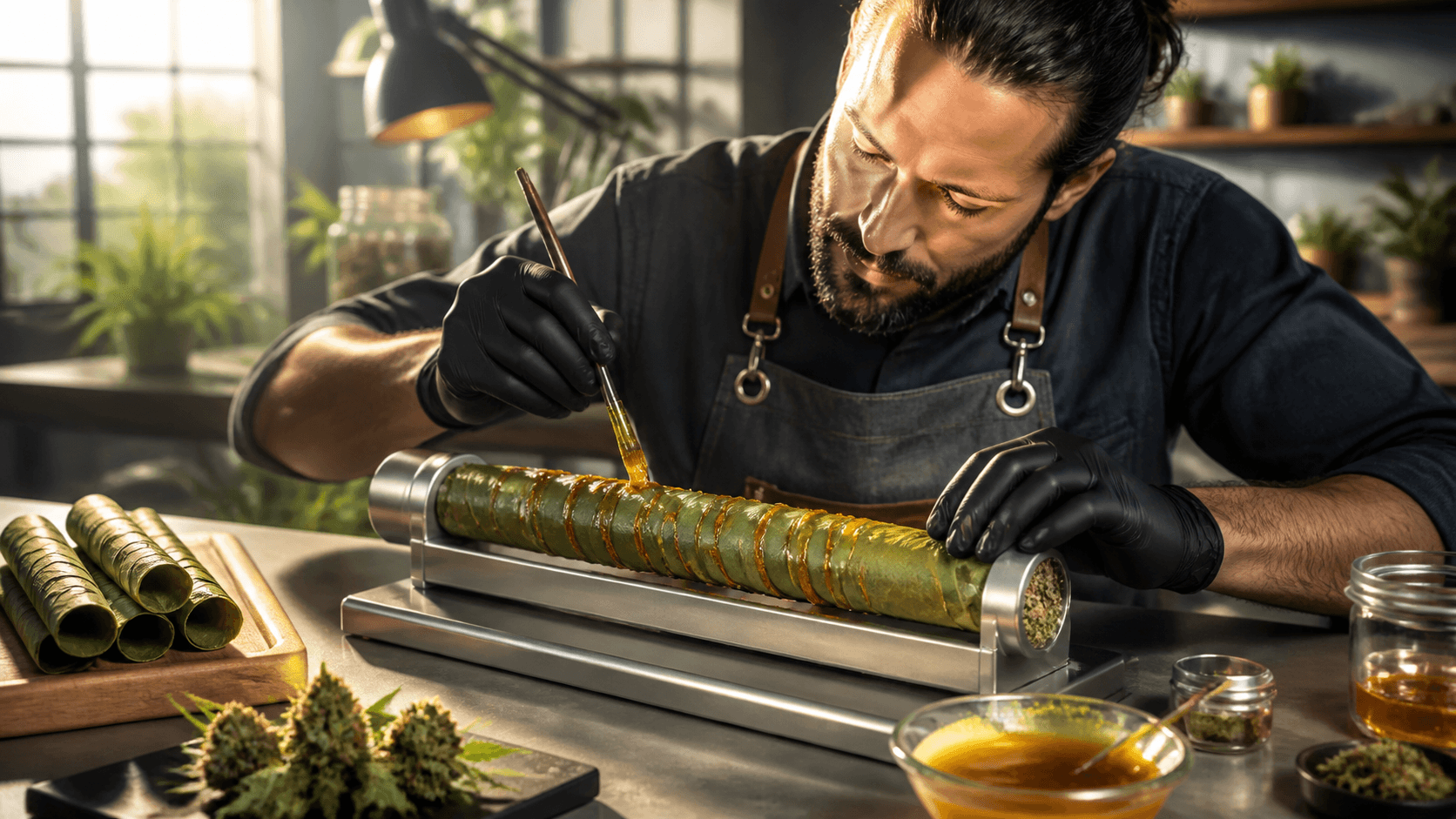
Handling is another issue a lot of people overlook. When your hands are covered in resin and oil from grinding and packing, then you grab your fresh cannagar, you can thin out the wrap without realizing it. Those weak spots will burn faster later or peel mid-session. Try holding the cannagar by the ends, and if it is extra sticky, use tools or gloves while you work.
Your final seal is what keeps the wrap in place when the air gets humid. Use just enough moisture or natural glue to close the seam, not so much that it soaks through. A clean, tight final pass and a little time to set help stop the wrap from lifting and flapping while you are halfway through a group session.
Upgrade Your Blunt Roller Game with Cannagar Tools
If you are used to relying on a basic blunt roller for everything, moving into cannagar territory can feel tricky at first. The truth is, you are trying to build something totally different from a blunt, so it makes sense to use tools made for the job.
A simple checklist for your next session can look like this:
- Start with quality flower and wraps
- Use a cannagar mold to pack in layers and keep the core even
- Let the core cure so it tightens and settles
- Wrap with slow, steady pressure and a good final seal
- Store in a cool, safe place until it is time to smoke
- Light slowly, rotate, and build an even cherry before you pass
At Purple Rose Supply, we focus on cannagar molds, cone molds, and the accessories that make this whole process easier at home. With the right setup and a little attention to detail, your cannagars can burn slow, look clean, and actually live up to the effort you put in, from the first spark to the very last pull.
Elevate Your Sessions With a Better Smoking Experience
Ready to turn your flower into a smoother, longer-lasting smoke? At Purple Rose Supply, we show you exactly how to use our blunt roller so you can pack tighter, burn slower, and enjoy more flavor every time. If you have questions about choosing the right kit or need help getting started, just contact us. Let's upgrade your next session with a cleaner, more efficient way to roll.