Stop Blaming the Roller and Start Fixing the Real Problem
If your cannagar is tunneling, canoeing, or pulling like a clogged straw, the blunt roller is probably not the villain. Most of the time, the real problem is moisture and curing, not the mold kit or the tool in your hand.
Cannagars, also called Thai sticks, are packed tighter and burn much longer than a normal joint or blunt. Because of that dense core, they are way more sensitive to how wet or dry your flower, wraps, and concentrates are. A little moisture mistake that would not ruin a quick joint can wreck an all-night cannagar.
Here, we are going to break down how moisture and curing affect your burn, how to spot what went wrong, and what to do differently next time so your Purple Rose Supply cannagar mold gives you slow, even, tasty smoke every time.
How Moisture and Curing Really Affect Cannagar Burns
Fire and water do not get along. When your flower, wrap, or oil has too much moisture, you do not just get smoke, you get steam. That steam creates hot and cold spots inside the cannagar. Hot spots burn down the middle, cold spots stay wet and dark. That is where tunneling and canoeing start.
Here is how moisture plays out in real life:
Too wet: Soft, sticky buds, very bendy stems, wraps that feel almost soggy
Too dry: Crispy, crumbly flower, dust in the grinder, wraps cracking when you bend them
Just right: Springy buds that bounce back, that grind fluffy, wraps flexible but not damp
Overly wet flower packs into a tight plug. When you light up, the outside struggles to burn, while the hotter center cooks faster. Over-dried flower does the opposite; it burns too fast and hot, which can also create weird, uneven burn lines and harsh hits.
There is also a big difference between “fresh” and “properly cured.” Fresh cannabis may smell loud, but it still has extra moisture inside the buds. Properly cured cannabis has had time to even out that moisture from stem to surface. For a quick bowl, you might get away with fresh-ish nugs. For a cannagar or Thai stick, that extra water will choke your burn.
Tunneling Troubleshooting for Cannagars and Blunts
Tunneling is when the center burns faster than the outer wrap, leaving a little “tunnel” of ash and unburned leaf on the outside. This gets worse once humidity rises in late spring and summer, especially if your stash is sitting in a warm room or car.
To figure out if it is the roller or the moisture, ask yourself:
Did the core from the mold feel tight, solid, and even along the whole length?
Was the wrap noticeably wetter than the core when you rolled it?
Did you brush on concentrate thick in some spots and barely at all in others?
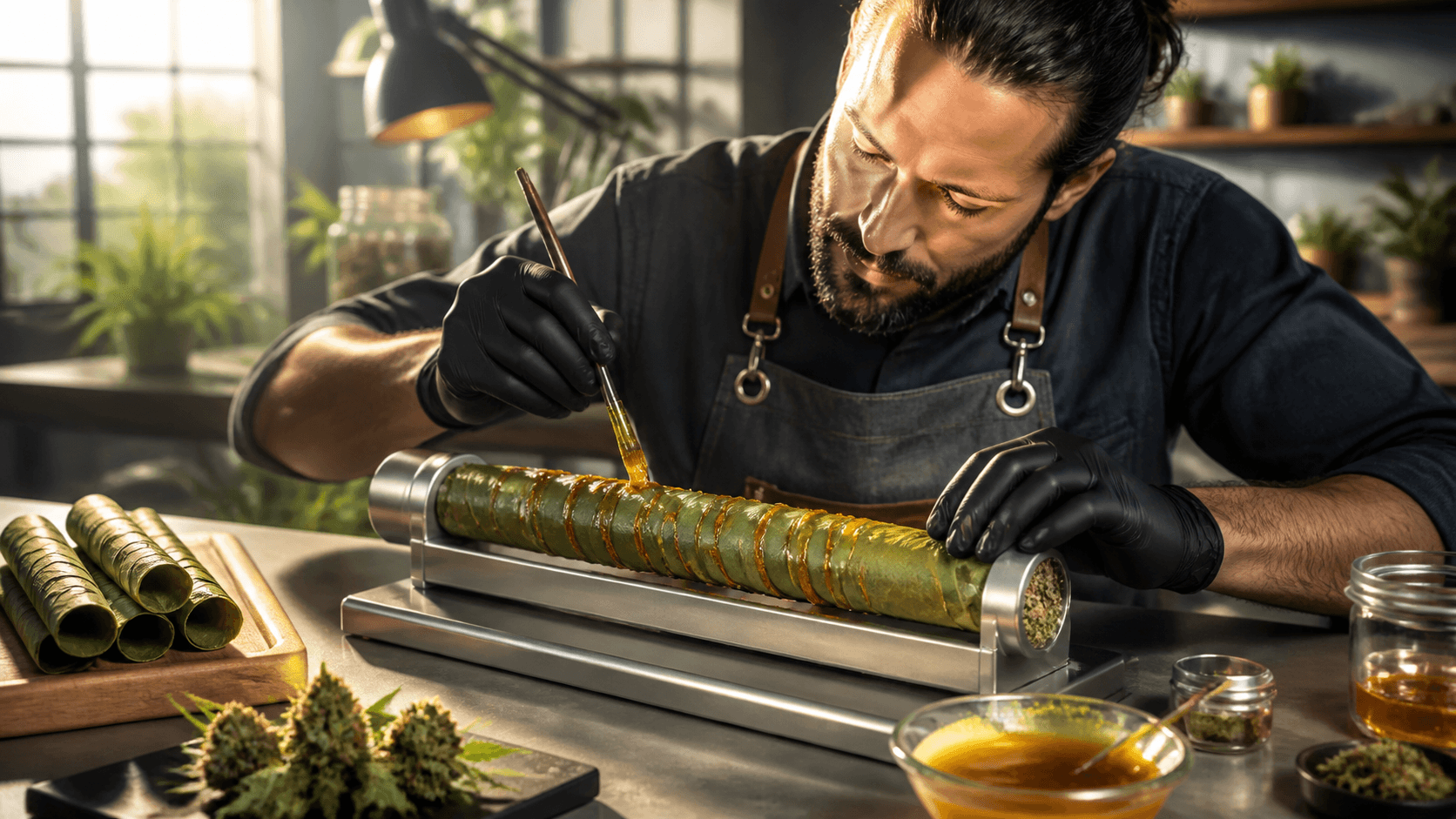
If the core from your Purple Rose Supply mold looks centered and smooth, the mold did its job. Most likely the problem is a soggy outer leaf, sticky oil that never settled, or blunt wraps that were too wet when you wrapped.
Try these fixes for tunneling:
Lightly air dry the packed core on a tray for 30 to 60 minutes before wrapping
After you wrap, let the finished cannagar cure upright for 24 to 48 hours
Store it in a cool, dry place, away from bathrooms, kitchens, or hot windows
When lighting, toast the tip evenly, not just the middle
A little patience here goes a long way. That short cure time lets moisture level out from the inside to the outside so everything burns together.
Canoeing and Side Burns on Your Thai Sticks
Canoeing is when one side of the cannagar or blunt burns down quicker than the other, leaving a long “boat” of unlit wrap. With Thai sticks and cannagars, that is almost always uneven moisture or packing.
Common mistakes that cause canoeing:
Wraps soaked too much when you seal them, so one side is wetter
Too much concentrate brushed on a single strip instead of all around
Packing harder on one side of the mold, lighter on the other
Lighting just one side of the tip and not rotating
To prevent canoeing, slow down and even everything out:
Let hemp or tobacco wraps sit out a bit so they are flexible, not wet
Apply oil or concentrate in thin, even layers all the way around the core
When packing your mold, add flower in layers and tamp with the same pressure
When you light up, rotate the cannagar and lightly toast the whole edge of the tip
If you notice one side starting to run while smoking, you can turn that “fast” side down for a bit. Heat rises, so gravity can help even the burn.
Fixing a Tight Draw Without Blaming Your Blunt Roller
A tight draw feels like you are pulling and nothing is happening. Little smoke, lots of effort. That is the moment people want to blame the blunt roller mold, but most of the time the real issue started way earlier.
Here is what usually causes tight draw:
Too-wet flower that squishes into a solid plug when you pack
Grinding too fine so it packs like powder
Overpacking the mold and stomping down way too hard
Wrapping with damp wraps that shrink as they dry and choke the airflow
Skipping cure time so moisture cannot move out of the center
Try these adjustments for a smoother pull:
Use a slightly coarser grind so the flower stays fluffy
Pack in small layers and tamp gently instead of pounding it down
After packing, let the core sit and firm up before you skewer and wrap
If the finished cannagar feels like a rock, gently “massage” it between your fingers to loosen the outer layer
Give it at least a day to cure so the airflow path can set
When the airflow channel is clear and the flower is cured right, your cannagar should pull smooth, not like a clogged milkshake.
Moisture Control and Curing Routines for Summer Sessions
As late spring rolls into hot, sticky days, humidity creeps into everything, especially if you are storing your stash in a warm bedroom or car. In wetter air, your flower soaks up extra moisture, wraps take longer to dry, and all the little moisture mistakes show up louder in your cannagars.
To keep things under control, set up a simple routine:
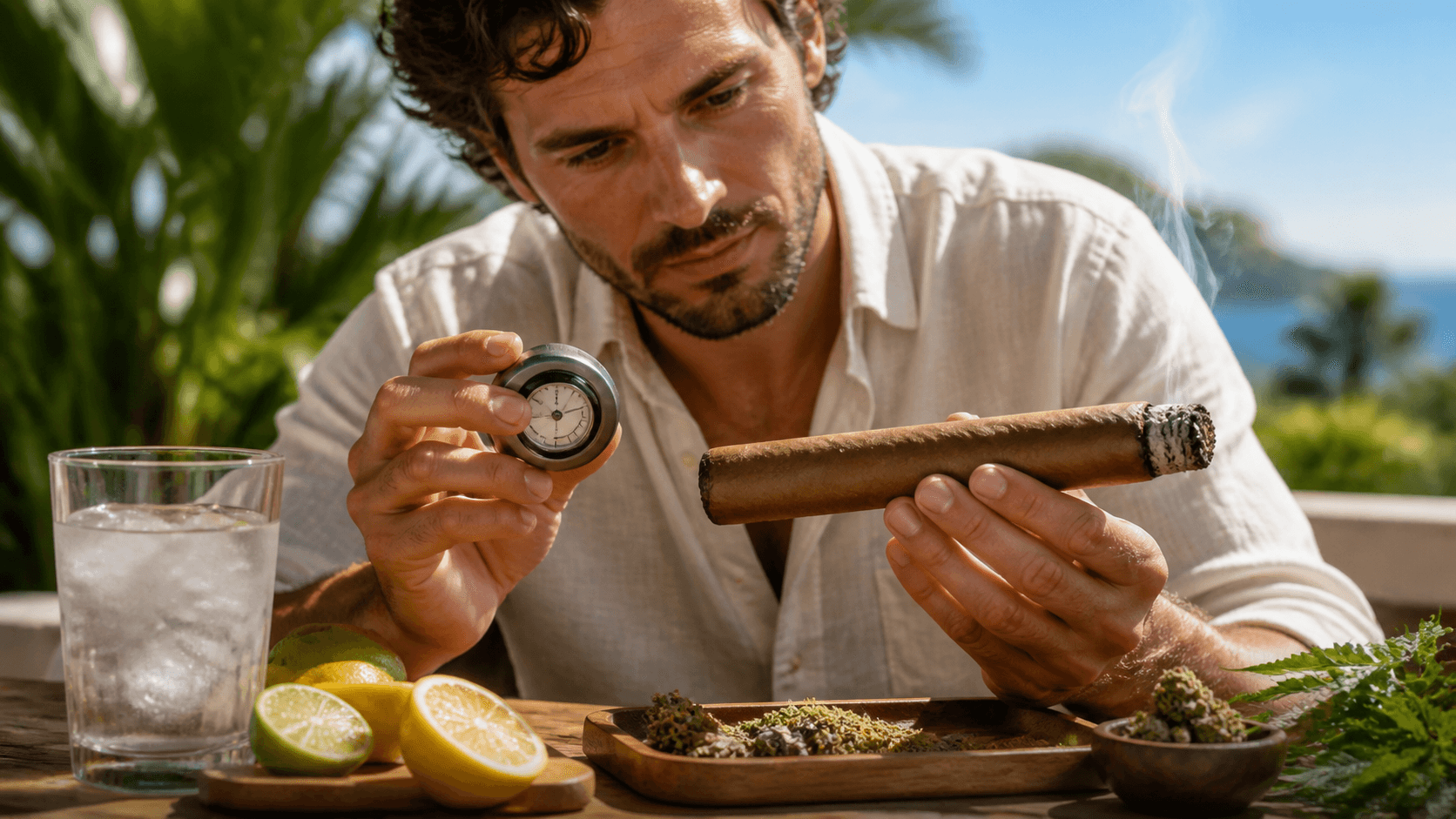
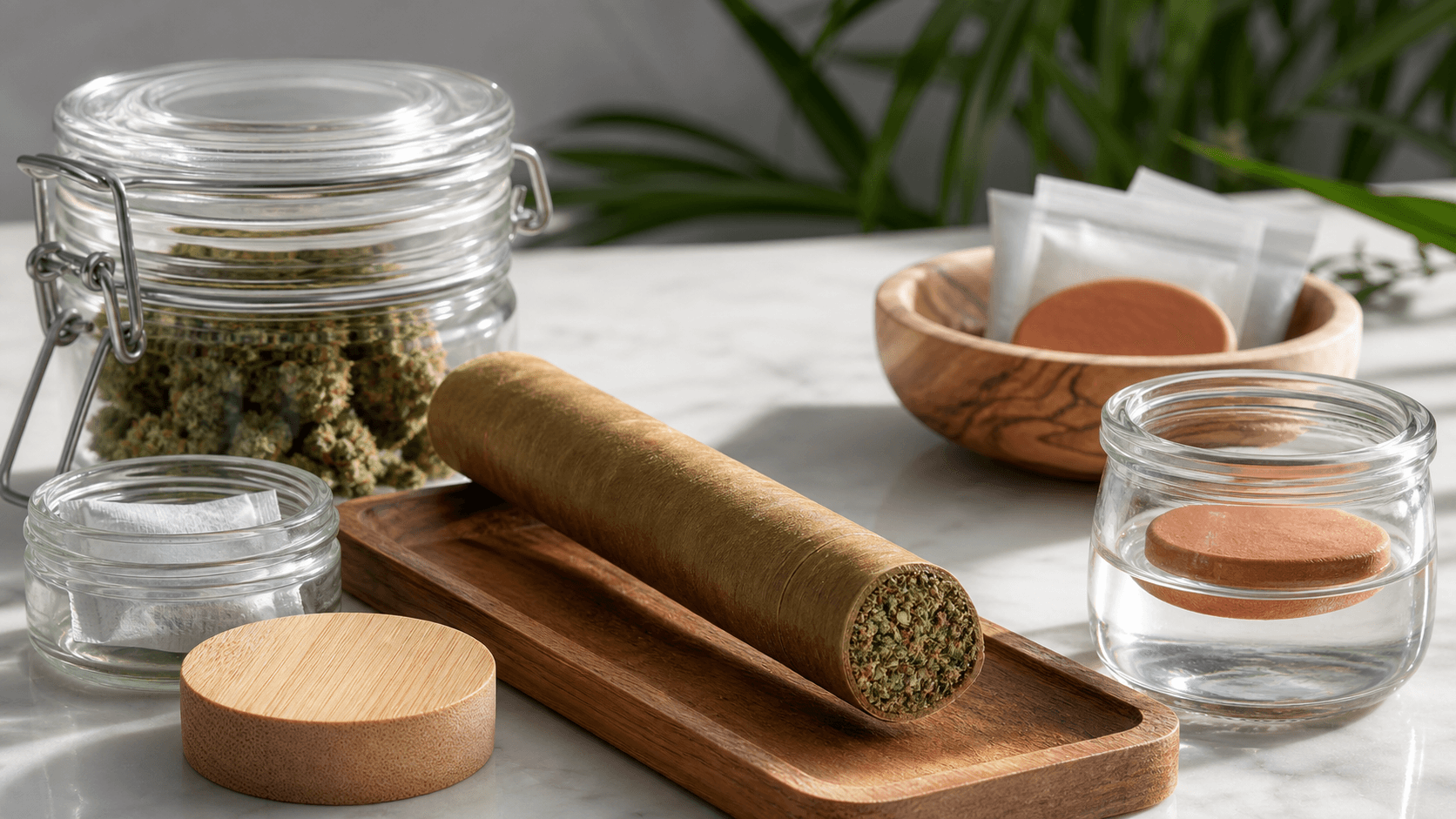
Store flower in jars with small humidity packs and a cheap hygrometer if you can
After grinding, let the flower rest on a rolling tray for a few minutes before packing
Lay wraps out for a short time so they are flexible but not wet to the touch
Avoid curing cannagars in steamy spots like bathrooms or near the kitchen sink
Never leave your Thai stick baking in a hot car
Before any big session or party, run a quick pre-session checklist:
Give your flower a squeeze: springy, not spongy, not crunchy
Test your wraps: bend without cracking, not sticky or soggy
Cure your rolled cannagar for at least 24 hours in a cool, dry place
Take a few cold pulls before lighting to feel the draw and airflow
Treating moisture as part of your rolling routine, not an afterthought, is what takes your cannagars from “pretty good” to “who rolled this?”
Dial in Your Cannagars and Own Every Session
Your Purple Rose Supply mold or blunt roller is a precision tool. When your cannagar burns weird, it is almost never the mold. The real magic comes from how you control moisture, curing, and packing technique.
Treat every cannagar like a small experiment. Make quick notes on how your flower felt, how long you cured the core, how long you cured the finished Thai stick, and where you stored it. With a few sessions of paying attention like this, you will lock in your own recipe for slow-burning, even, flavorful cannagars that carry every smoke session from first spark to final ash.
Upgrade Your Sessions With a Better Roll Every Time
If you are ready to enjoy smoother, longer-lasting smokes with less hassle, our blunt roller makes it easy to level up your ritual. At Purple Rose Supply, we design our tools so you can get consistent, slow-burning results without needing expert rolling skills. Explore our options to find the setup that fits your style, and contact us if you have any questions about choosing the right gear.